




Products
Along with manufacturing GBE is pleased to offer a range of high quality products
All Services
Products

Most people never really think about what is going on between a power station and your plug socket in your home. You flip a switch, the light turns on, and that is usually the end of it.
Behind the scenes, a lot is happening. The UK power grid is a massive network that is shuffling electricity across cities, towns, companies, and households every single day. One of the reasons the country keeps working smoothly is that the UK electrical transformer systems we rely on are spread around the network.
These units stay pretty quiet, but they manage power flow, tune voltage levels, and help keep electricity stable for millions of people every day.
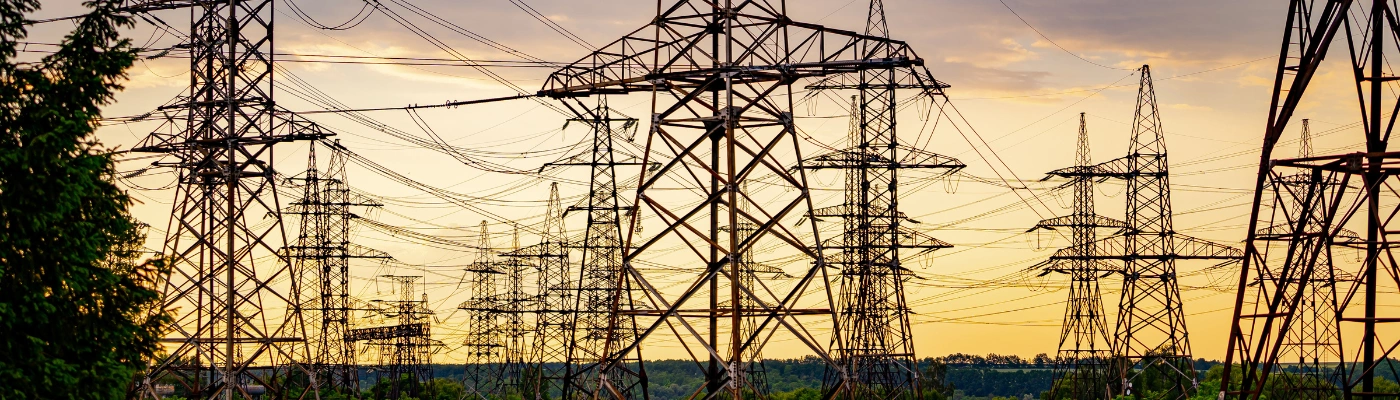
The UK power grid is not one straight line sending electricity from one place to another. It is like one huge spider web, where power is generated in a few places around the UK and then distributed to businesses and homes.
Most of the power in the UK comes from power plants, wind farms, solar projects, and hydrodams, with investment going into nuclear too.
Once the power is generated, it still has to travel to you. This can be done over long distances using high-voltage power lines that carry electricity across the UK without losing too much to heat. When you’re moving electricity over long distances, it comes with several obstacles and some real headaches.
Power can be lost during transmission if it is not managed correctly, mainly through heat. Voltage levels also need to change depending on where the power is going. Without proper control, the system becomes inefficient rapidly.
That is why UK electrical transformer systems are a key part of the process. They help move electricity across the network through large metal towers that hold thick wires high above the ground, carrying it over long distances at very high voltage.
The voltage transformers change the voltage so that electricity can be turned back into the correct voltage when it arrives at your location, typically around 230 volts for most UK homes, whereas on power lines they can be up to 400,000 volts.
On paper, the job of electrical transformers appears straightforward. They change voltage levels from one level to another. But the impact they have on the grid is much bigger than that.
They help electricity travel further with less energy loss. They protect equipment from getting damaged by incorrect voltage levels. They also help enable safer working across various pieces of the grid, so there is less chaos and more stability.
Without them, the power system tends to run into reliability hiccups, where energy gets wasted, and outages, even small ones, can still affect homes and industries.
Different parts of the network need different voltage levels. High voltage works better when electricity needs to travel across long distances. Lower voltage works better when power is delivered into homes and workplaces.
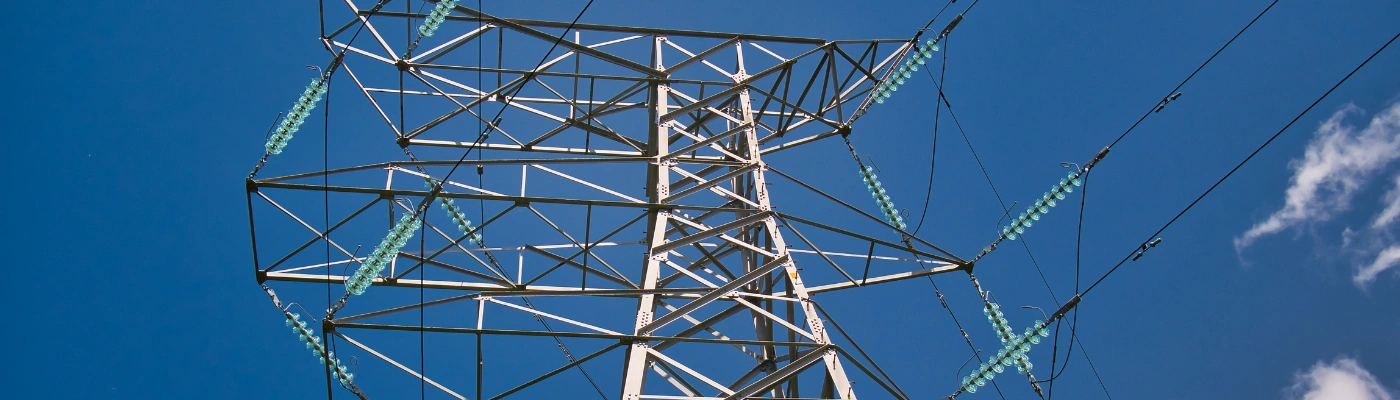
Electricity loses energy while travelling mainly due to heat. The further the electricity travels, the greater the chance of power loss. A step-up transformer boosts voltage before the electricity ever gets into the transmission lines.
Boosting this voltage helps to reduce the energy loss and helps the power lines become more efficient. Once the voltage is higher, the current tends to be lower. With that lower current, you lose less energy as waste. You can also picture it like pushing water through a pipe. With more pressure, the water can go further without losing its strength.
Electricity entering a house cannot arrive at the same high voltage levels used to make sure the electricity reaches your house, as it would damage equipment almost instantly.
A UK step-down transformer setup lowers the voltage levels before it reaches your home, office, shops, and industrial sites so you can use it safely. This process happens continuously across the country, and most people never even notice it.
Without the use of step-up and step-down transformers, we wouldn’t be able to make electricity travel very far. This would mean everyone would need to either live much closer to a power station, solar plant, or wind farm or have to produce their own electricity.
Most homes these days have solar panels, but they are nowhere near enough to power your home completely, especially if you charge an electric car regularly.
Even the most high-quality electrical transformers need to be maintained over time. Transformers deal with heavy workloads every day, including heat, weather conditions, age, and constant use, which can slowly affect performance, costing you money in the long run.
Electrical transformer repairs help prevent major failures and reduce unexpected downtime. Doing regular testing and routine maintenance can help spot small issues before they grow into bigger and way more pricey troubles. If you just ignore the upkeep, it tends to cost more later.
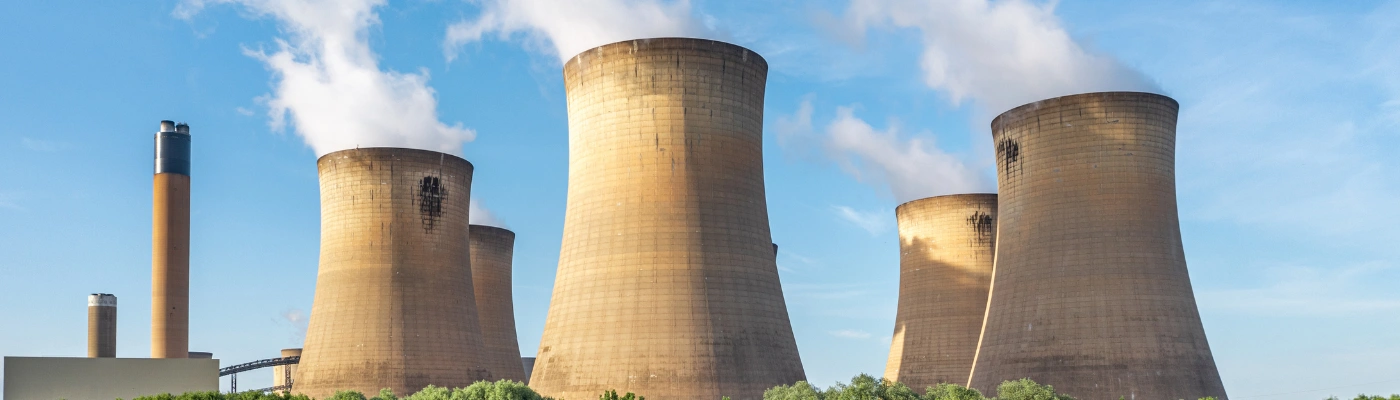
The UK energy system is changing fast. More new renewable energy projects are entering the UK grid every year. Wind and solar energy continue to grow and create demand for electrical transformers in the UK.
Renewable sources often produce power differently compared to traditional plants. Supply can rise and fall depending on weather conditions. Transformers help balance these changing inputs and keep the network running smoothly.
As energy systems evolve, the role of transformers becomes even more important.
At GBE UK, we work closely with businesses and industries that rely on high-quality and reliable electrical transformers every day. We understand that a transformer is not just another piece of equipment sitting in your facility. It plays a direct role in efficiency, uptime, and long-term reliability.
We focus on helping customers find practical solutions while delivering the performance expected from the best electrical transformer manufacturers in the UK.
The UK power grid works because thousands of connected systems keep doing their part behind the scenes. Electrical transformers sit right in the middle of all that and are the key to everything working correctly.
Electrical transformers like step-up and step-down move the electricity across long distances, keep your equipment running, enable renewable energy expansion, and also make sure power stays steady enough for everyday life.
As the energy sector continues to change, dependable UK power transformer solutions will remain one of the foundations for the entire network.
GBE UK supports industries and businesses that depend on reliable electrical systems and UK electrical transformer solutions. Services can include supply support, maintenance guidance, and practical recommendations based on power requirements and long-term operational needs.
Transformers help adjust voltage levels so electricity can move more efficiently across transmission lines. Higher voltage lowers the current flow, which reduces wasted energy and allows electricity to travel greater distances with fewer losses.
Renewable energy systems like solar and wind often produce variable power output. Transformers help manage these changes by adjusting voltage and supporting stable delivery into the wider electrical network for safe and reliable operation.
Maintenance schedules can vary depending on operating conditions, age, and usage levels. Many systems benefit from regular inspections and testing because small problems can often be identified early before they lead to costly failures or downtime.
Products
Along with manufacturing GBE is pleased to offer a range of high quality products
Services
Along with manufacturing GBE is pleased to offer the following Services…
Support
See our brochures & catalogues, certifications and applications.
Contact Us
Speak to our experts about your requirements today.
GBE UK Ltd is a company registered in England and Wales with company number 08031046