




Products
Along with manufacturing GBE is pleased to offer a range of high quality products
All Services
Products

Operational efficiency isn’t about working faster. It’s about working smarter. Across industries, from manufacturing to infrastructure, small engineering improvements often unlock big gains. Less downtime. Lower energy bills. Smoother processes. Fewer headaches.
This blog breaks down how practical engineering decisions actually improve daily operations, not in theory, but on the ground.
With the available case studies, we will analyse and discuss different businesses’ actual problems, which areas the engineers cover, and the impact of making the right technical choices on the organisation’s operations.
If you want to hear real-world experience, not idle talk, you are at the right spot, particularly if you are taking into consideration the engineering solutions UK companies use to remain operational.
Every industry feels pressure. Rising costs. Tight deadlines. Staff shortages. Unpredictable energy bills. It is operational efficiency that supports businesses during hard times. It does not necessarily mean expensive systems or gleaming technology. It’s about removing friction from daily operations.
Engineering plays a huge role here. Often behind the scenes. A better-designed system means fewer breakdowns. Cleaner power flow. Less wasted effort. And fewer emergency calls at 2 a.m. When systems work as they should, people can focus on actual work instead of firefighting problems.

Good engineering doesn’t begin with equipment. It begins with listening. What’s slowing production? Where is energy being wasted? Why does downtime keep happening at the same point?
Across industries, the most effective engineering solutions UK companies use are problem-led, not product-led. Engineers assess workflows, load demands, operating environments, and growth plans. Only then do they design or recommend systems that fit real conditions. This approach avoids over-engineering and cuts unnecessary costs before they even appear.
In manufacturing, minutes matter. A single electrical failure can halt an entire line. That’s where strong engineering design shows its value. Proper load balancing. Reliable transformers. Smart redundancy.
Well-engineered power and control systems reduce unplanned stops. They extend equipment life. They also make maintenance predictable instead of reactive. That’s a massive win.
If systems are designed to cope with real operating conditions, production becomes more efficient, the staff's stress level is lowered, and the output is increased without the addition of shifts or machines.
Energy waste is silent. You don’t always see it, but you pay for it every month. Engineering solutions aimed at energy efficiency often deliver some of the fastest returns on investment.
Optimised transformers, correct voltage regulation, and efficient distribution systems reduce losses that quietly drain budgets. Many facilities run oversized or outdated equipment simply because “that’s how it’s always been.” A proper engineering review changes that.
In infrastructure, failure isn’t just costly. It’s disruptive. Hospitals, transport systems, data centres, and utilities all rely on power systems that cannot afford surprises.
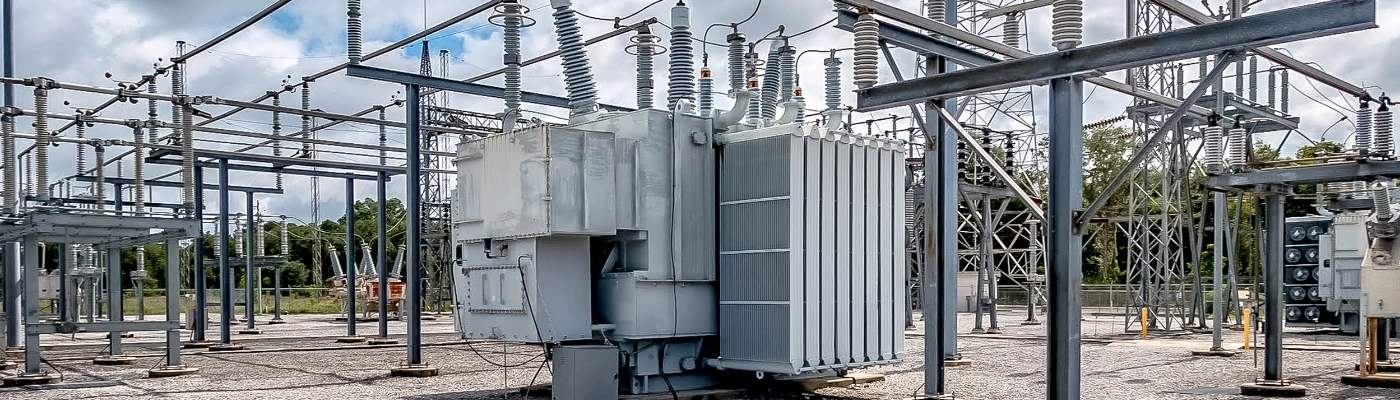
This is where experienced transformer suppliers in the UK often play a critical role. The right transformer design improves load stability, reduces fault risks, and ensures compliance with safety standards. Reliability here isn’t optional. It’s the foundation of public trust and operational continuity.

Efficiency and safety are often treated as opposites. They’re not. Good engineering improves both at the same time.
Clear system layouts. Proper protection devices. Well-designed electrical infrastructure reduces risk to people and equipment. When systems are safe, teams work with confidence. Fewer shutdowns for incidents. Fewer delays for investigations. Safety becomes part of the flow, not a roadblock.
Growth exposes weak systems. A setup that worked fine at 60% capacity can struggle at 90%. Engineering solutions designed with scalability in mind prevent this.
Modular systems. Flexible load capacity. Future-ready layouts. These allow businesses to grow without having to tear everything apart later. This is where long-term thinking matters. It’s also where engineering solutions UK providers who understand local regulations and operating conditions add real value.
Modern engineering doesn’t stop at installation. Monitoring systems now provide real-time data on performance, load, and efficiency.
This data helps teams spot issues before they escalate. It turns maintenance into a planned task instead of an emergency. Over time, these insights guide smarter decisions. Replace what’s needed. Optimise what’s working. Ignore what’s not a problem. That’s efficiency in action.
At GBE UK, we see these challenges every day. Different industries. Similar problems. Power systems that weren’t designed for current demand. Equipment that’s doing its job, but not efficiently.
Our approach is practical. We never promote solutions that are not reasonable. Our main considerations are reliability, energy efficiency, and systems that can demonstrate their performance in real-world settings.
Our objective throughout is to assist enterprises in operating more efficiently, for longer periods, and with fewer unforeseen events. We believe that, in this way, engineering will do its job.
Operational efficiency doesn’t come from quick fixes. It comes from solid engineering decisions made early and maintained well. The right systems reduce waste, improve reliability, and support growth without chaos.
For businesses that depend on stable power and long-term performance, working with experienced transformer suppliers UK makes a real difference. When engineering is done right, efficiency stops being a struggle and starts becoming normal.
The operational improvements will be through the reduction of downtime, energy waste, and making systems more reliable, thus making everyday operations run smoothly.
The manufacturing, infrastructure, utility, health care, data centre, and logistics sectors will experience the most significant benefits.
In some cases, yes, but most of them give long-term savings that surpass the initial investment.
The reliable systems avoid unplanned failures, delays, and expensive emergency repairs.
During growth, rising energy costs, frequent breakdowns, or before major expansions.
Products
Along with manufacturing GBE is pleased to offer a range of high quality products
Services
Along with manufacturing GBE is pleased to offer the following Services…
Support
See our brochures & catalogues, certifications and applications.
Contact Us
Speak to our experts about your requirements today.
GBE UK Ltd is a company registered in England and Wales with company number 08031046