




Products
Along with manufacturing GBE is pleased to offer a range of high quality products
All Services
Products

Choosing a transformer is often not considered the most thrilling task on one's list. However, it is one of those choices that one simply cannot make incorrectly. If you select the wrong one, then you will have to deal with, among other things, no longer working equipment, blown fuses, and a lot of frustration.
On the bright side? It does not have to be hard. The whole process can be made much easier if the few basic principles are understood. And it certainly benefits to have trustworthy electrical transformer suppliers who will help you through the process rather than confuse you with technical terms. So, let us explain it in simple words.
Before you even look at models or specs, figure out what your site really needs. Not what you “think” it needs. Your load requirement is the foundation.
List your machines, check how much power they pull, and note whether they run constantly or in bursts. A transformer that’s too small will struggle and overheat. A transformer that’s too big just drains money through unnecessary losses.
Think of it like buying shoes, you don’t buy two sizes bigger “just in case”. You buy what fits.
This part sounds technical, but it’s pretty straightforward. You need to match the voltage going in and the voltage coming out. That’s the whole point of a transformer. If your site has unstable voltage or you know your supply fluctuates, you’ll want tap changers or something built to handle those swings. And honestly, this is where talking to good transformer suppliers pays off. They’ll tell you if something looks off before you make a costly mistake.
This is a major decision. Dry-type transformers are clean, simple, and ideal for indoor spaces. You can put them closer to people and equipment. They’re solid for warehouses, commercial buildings, and indoor industrial rooms. Oil-filled transformers are the workhorses.
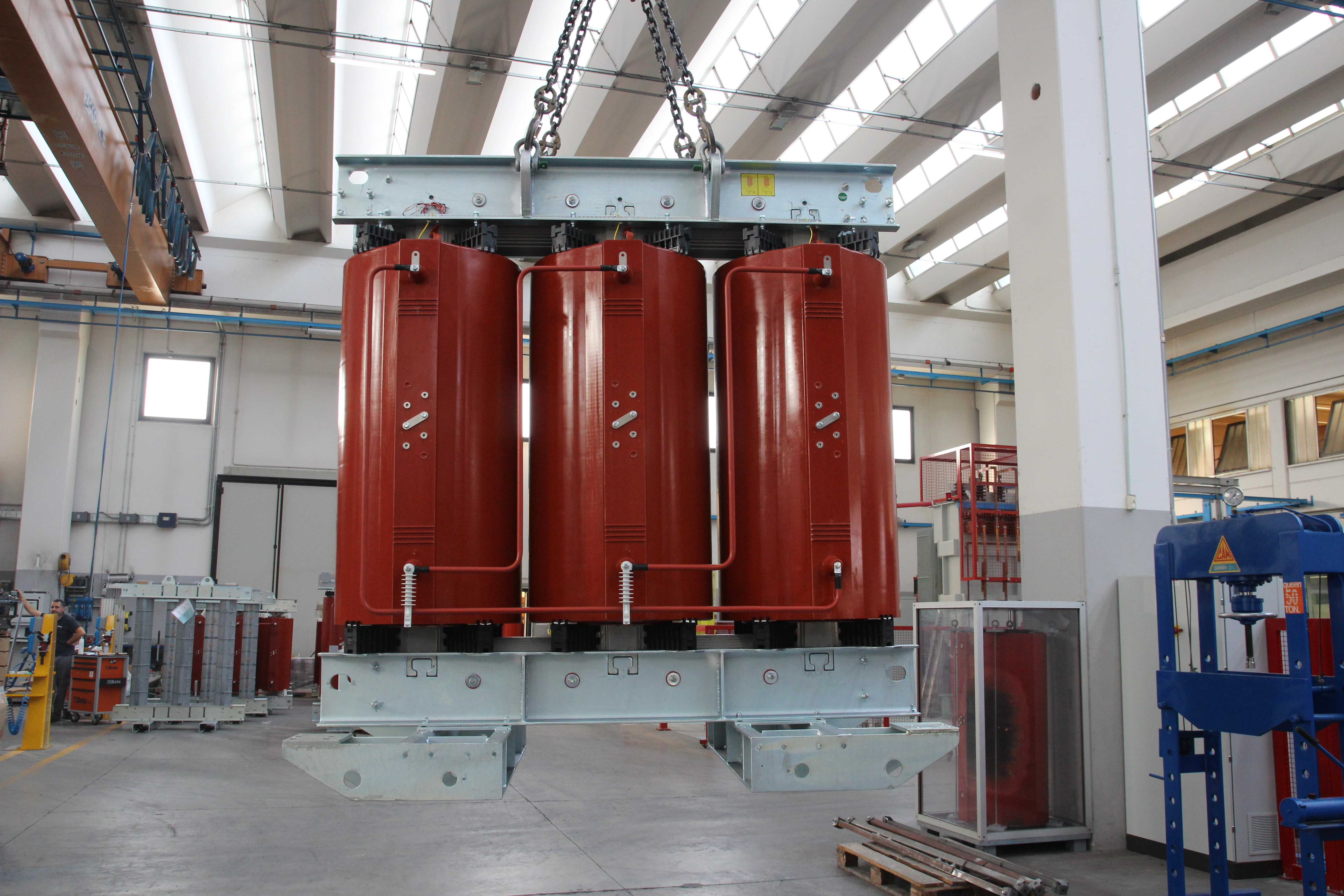
They handle bigger loads, run cooler, and are generally more efficient. But they need proper containment and routine checks. The environment usually decides for you, if you’re outdoors or handling serious power, oil-filled is usually the way. Indoors with strict fire rules? Dry-type makes more sense.
Efficiency might not sound exciting, but you’ll notice the difference on your electricity bills. Transformers lose energy in two ways:
A transformer with better efficiency classes costs more upfront, but you’ll save over the years.
Ask your electrical transformer suppliers to walk you through the efficiency ratings. A five-minute chat can save you thousands over the life of the transformer.
Transformers get hot. Really hot. And heat is the enemy of long life. Dry-type transformers use air to cool down. Oil-filled ones rely on oil circulation. Some even have forced cooling systems when things get intense. If your site is already warm, or if airflow is restricted, you’ll need to factor that in. A transformer that can’t stay cool is a transformer that won’t last long.
Most industrial sites grow. Production increases. New machines arrive. Workloads shift. If you size your transformer only for today, you’ll be replacing it faster than you’d like. You don’t need to go overboard with capacity, but choosing a transformer with a bit of headroom is smart. Think of it as future-proofing your operations.
Is it going indoors or outside? Dust, chemicals, vibration, or humidity, will they be present during the operation? Transformers can endure much, but they cannot last forever. The difficult circumstances require strong protection, increased insulation, or special coatings. Neglecting this factor is a quick way to erode even an expensive transformer.
You want your transformer to meet IEC or equivalent standards. Essentially, it's a confirmation that proper testing has been conducted and the product is durable. If a company does not provide certificates or testing documents, it is better to leave. Fast. A transformer that has been poorly made will incur a higher cost in the future.
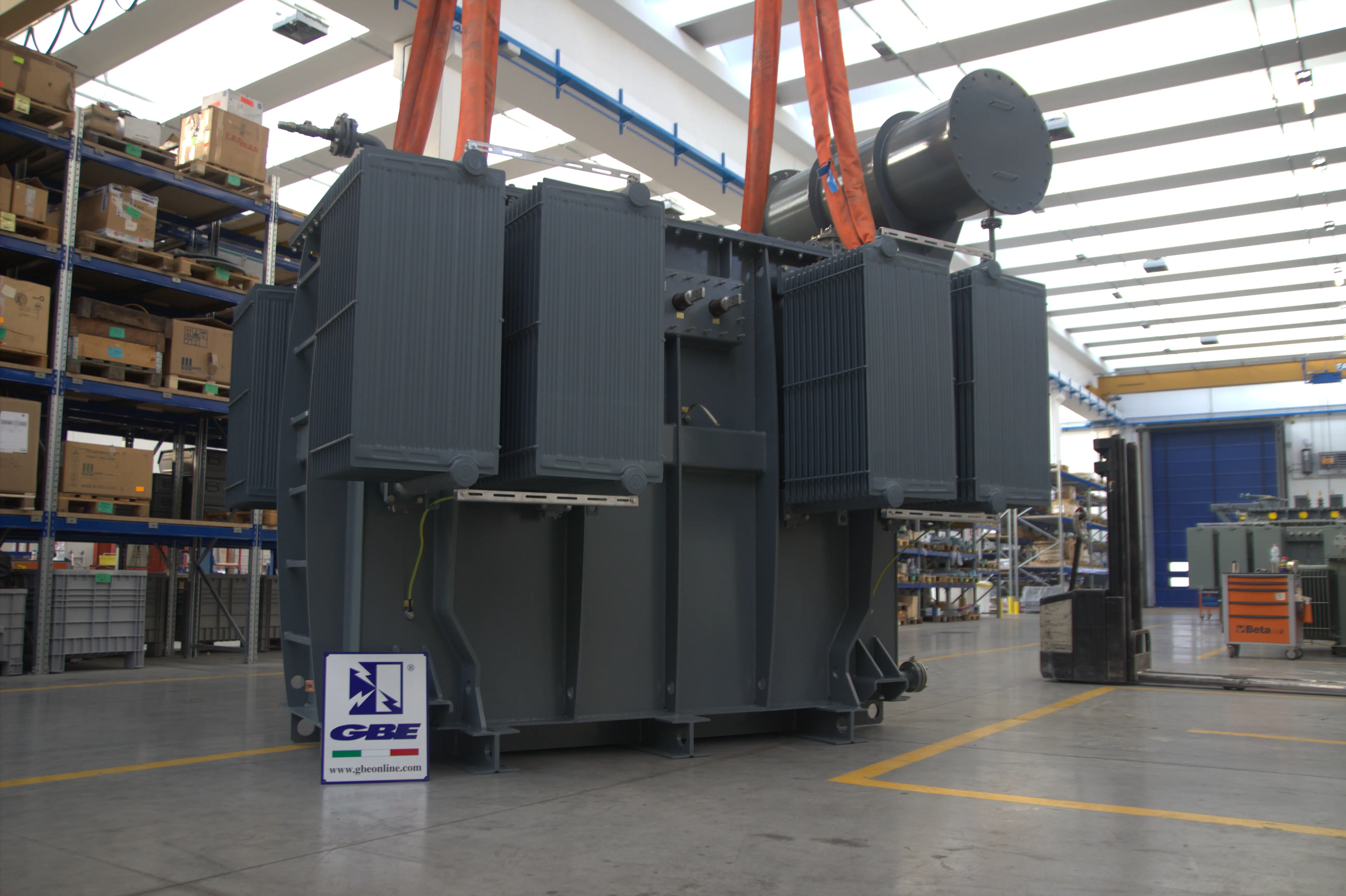
GBE UK builds transformers designed for real-world conditions, including cast resin, dry-type, and oil-filled units that can withstand harsh environments and continue to operate reliably. We help you determine exactly what you need, rather than presenting generic options. Whether it’s testing, repairs, custom builds, or full installations, we cover the whole journey. If you want something built around your site instead of the other way around, that’s what we do best.
Choosing the right transformer doesn’t have to be some massive technical challenge. The decision becomes very much easier once the load, voltage, environment, and plans are known. The collaboration with reputable transformer manufacturers implies that there is no uncertainty; they prevent you from encountering the most common mistakes and confirm that your transformer performs perfectly.
Do not hurry, be curious, weigh up the different choices, and take all the time you need. Your collaboration with reliable power transformer manufacturers will result in a dependable unit that will not lead to any surprises and will keep your process running smoothly. A high-quality transformer is not merely a purchase. It is a guarantee of tranquillity. Need Help Choosing a Transformer?
Sizing it wrong, either too big or too small. Both cost you money.
Yes, especially indoors. They’re fire-resistant and need less maintenance.
Usually 20–30 years if they’re looked after properly.
Absolutely. Custom builds are common for non-standard voltages or tough environments.
No, always get a qualified engineer. It’s too risky to DIY.
Products
Along with manufacturing GBE is pleased to offer a range of high quality products
Services
Along with manufacturing GBE is pleased to offer the following Services…
Support
See our brochures & catalogues, certifications and applications.
Contact Us
Speak to our experts about your requirements today.
GBE UK Ltd is a company registered in England and Wales with company number 08031046